
 EN
EN




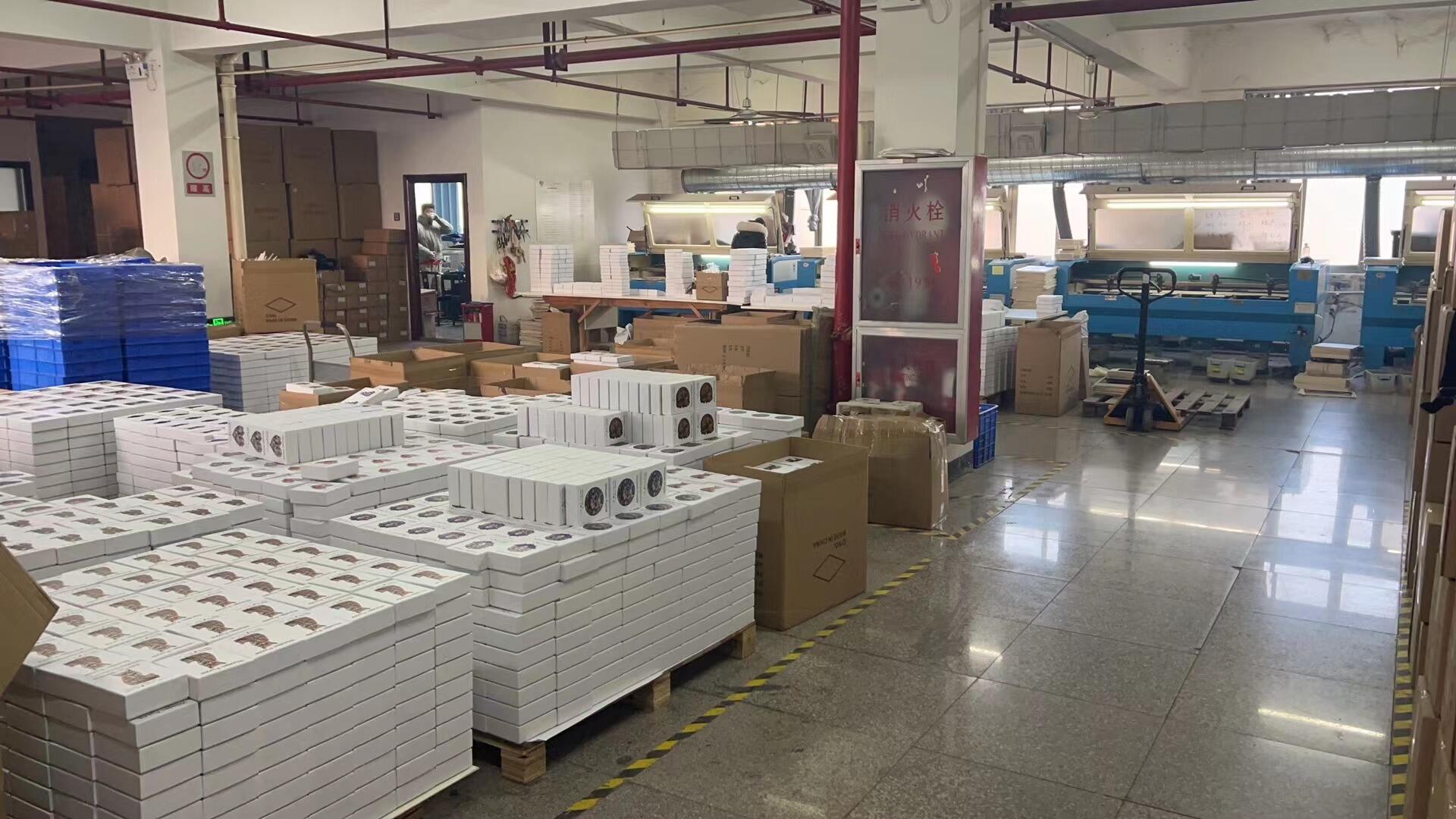
Spring Festival Production Challenges in 3D Wood Puzzle Manufacture
Labor Shortage and Seasonal Staff Attrition
The Spring Festival brings massive worker movement throughout China's manufacturing centers, and according to the Toy Association report from 2023, around 85% of companies making those intricate 3D wooden puzzles find themselves short on staff during this time. Every year, nearly half the workforce leaves their jobs to go back home for the holiday season, which really slows things down on the factory floor. When companies try to train new temporary workers, it ends up costing them somewhere between 15 and 20 percent more money. And getting these temps up to speed quickly often leads to mistakes in the product quality, especially when it comes to those delicate interlocking pieces that need such precise cutting. These recurring problems mess with shipping schedules quite a bit, but they hit hardest when there are special custom orders that demand particular skills from experienced craftsmen who aren't available anymore.
Supply Chain Disruptions: Raw Materials and Logistics Freeze
The problem gets worse when we look at materials alongside staffing issues. During festivals, wood suppliers often shut down operations for around two to three weeks straight, which means delays in getting basswood and plywood delivered on time these materials are basically what makes laser cutting possible. At the same time, our entire shipping system seems to come to a standstill. Freight prices have jumped anywhere from 25 to 35 percent this first quarter according to Logistics Journal 2024, while ports keep closing down one after another, stretching out delivery schedules even further. Factory owners are now seeing their material acquisition process take about 30% longer than usual, leading to serious stockpile problems across warehouses. Companies that rely on just-in-time manufacturing find themselves scrambling since they don't have enough backup supplies lying around. This puts them in real trouble with clients who start charging penalty fees once export deadlines get missed.
Proactive Operational Strategies for 3D Wood Puzzle Manufacture
Pre-Festival Buffer Stocking and Just-in-Case Inventory Planning
To deal with supply issues around the Spring Festival holiday, many top manufacturers start building up their stock of essential materials about two months before the festivities begin. They focus especially on those tricky items that need precision manufacturing such as birch plywood sheets, various types of veneer, and safe glues that don't emit harmful chemicals. Stocking these ahead helps cut down reliance on last minute shipments when transportation across regions tends to slow way down. A factory somewhere in southern China saw roughly half the number of production stoppages once they started using different inventory levels depending on past shortages in their area. Of course results can vary from place to place, but the general approach seems promising for keeping operations running smoothly through this challenging period.
Modular Workflow Segmentation to Sustain Core Production
Most wood puzzle factories break down their production process into separate parts these days. Think about it: laser cutting happens first, then comes engraving, followed by finishing touches and finally packaging. The good news is that when there are worker shortages, machines like CNC routers can keep running without stopping. Factory managers still need to have those key quality control spots covered by experienced techs, but they can hold off on some of the less important assembly work. We saw one real world example where a plant kept making around 78% of what they normally produce even after losing half their seasonal workers. Makes sense really - focus resources where they matter most.
Technology-Driven Resilience: Automation in 3D Wood Puzzle Manufacture
Strategic automation adoption counters Spring Festival disruptions. CNC systems enable precise laser cutting of birch plywood layers at tolerances under 0.1mm—achieving complex geometries unattainable manually. These workflows reduce dependency on seasonal labor during mass migrations while sustaining 40% higher production efficiency year-round (Statista 2023).
CNC Precision Cutting Optimization to Offset Labor Gaps
CNC automation bridges critical human resource shortages by maintaining uninterrupted fabrication of interlocking puzzle components. Key operational advantages include:
- Error Minimization: Automated toolpath execution prevents material waste, reducing defects by 32% versus manual methods
- Rapid Reprogramming: Digital CAD/CAM integration allows instant design adjustments for urgent orders
- 24/7 Operation: Lights-out manufacturing during holidays compensates for absent workforce
| Automation Impact | Benefit | Strategic Consideration |
|---|---|---|
| Production Speed | 30% faster cycle times | Requires upfront programming investment |
| Labor Dependency | 55% reduction in manual tasks | Demands technical oversight |
This technology-driven approach ensures consistent output quality despite seasonal attrition, positioning manufacturers to fulfill orders reliably during peak demand periods.
Balancing Demand Peaks and Capacity Constraints
The top makers of 3D wooden puzzles manage their busy seasons against limited factory space by planning production cycles carefully. Looking at past sales during Chinese New Year and checking what different areas want to buy helps them predict when things will get really busy several months ahead. Most factories then set aside about two thirds of their total production for those popular items that sell well, but keep some extra room for special orders too. They do this by shifting work schedules around during slower periods, getting big orders from stores first, and mixing just-in-time parts with some spare stock. The whole system works pretty well actually, keeping around 95-98% of orders shipped on time even when workers come and go. When there's not enough product to go around, companies team up with their distribution partners to make sure everyone gets fair shares instead of letting certain regions take all the available stock.
FAQ
Why does the Spring Festival cause labor shortages?
During the Spring Festival, a significant portion of the workforce travels home to celebrate the holiday, leading to seasonal staff attrition in manufacturing centers.
How do companies address material shortages?
Companies often implement pre-festival buffer stocking and inventory planning by building stock of essential materials months before the holiday.
What role does CNC automation play in production?
CNC automation helps maintain uninterrupted fabrication, reduces errors, and allows for rapid design adjustments, ensuring production continuity during labor shortages.
How do manufacturers balance demand peaks?
Manufacturers plan production cycles based on past sales data and adjust schedules to accommodate popular items and special orders during peak periods.