
 EN
EN




Fragile Components and Tight Tolerances Demand Unambiguous Guidance
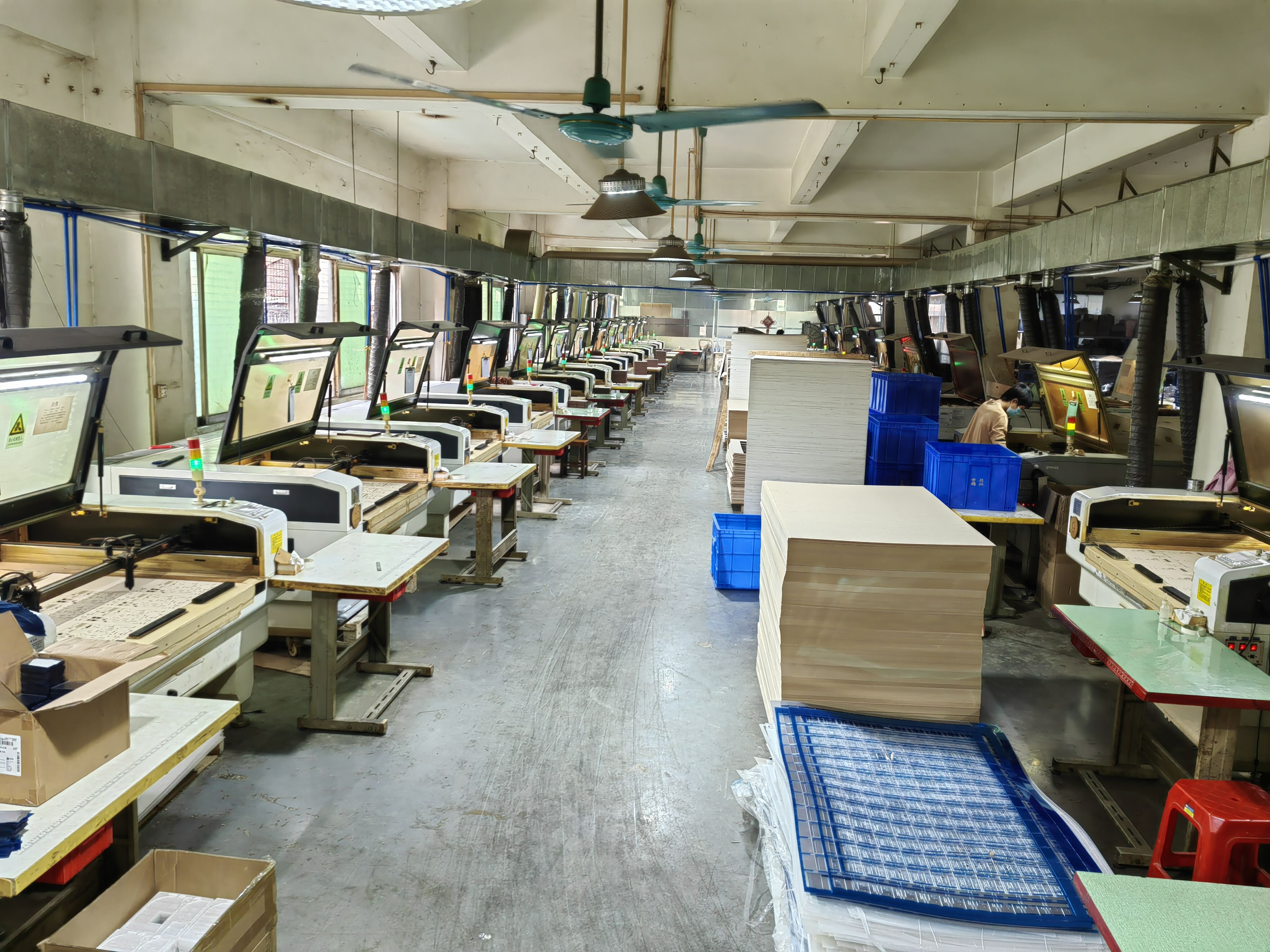
The laser cut MDF pieces and acrylic components in those book nook kits react pretty badly to changes in their environment and physical stress. When humidity levels jump around, the wood tends to warp all over the place. And if someone applies pressure unevenly while putting things together, it puts strain on the joints which can result in cracks or just plain old变形 (deformation). Most folks don't realize this but without proper visuals indicating where the grain runs, which areas need support, and where clamps should go safely, people end up forcing connections together. This compromises the whole structure long before they finish building anything worthwhile.
How Tolerance Stacking in Interlocking Joints Amplifies Minor Errors
What happens during tolerance stacking is basically when tiny manufacturing differences build up through all those connected parts that fit together. Take something like a 0.5mm gap somewhere along the line, and it might end up growing to about 2mm after going through four different components. That kind of buildup goes way beyond what was originally designed for, causing problems like things getting stuck, bending out of shape, or just not lining up right. This issue tends to pop up most often with curved surfaces or any sort of moving parts that slide against each other. To prevent these headaches, manufacturers need really detailed guidelines that tell workers exactly how to put everything together step by step. These instructions also include checking points where they stop and verify things look correct before moving on, like making sure everything is symmetrical before applying glue or whatever holds the pieces together.
Poor Instructions Directly Reduce Book Nook Kit Assembly Success Rates
Data: 41% User Drop-Off After Step 7 in Text-Only Manuals
According to industry studies, there's a real problem happening around step seven of book nook kit assembly. About 41 percent of people give up at this point when they're only following written instructions (as reported by Bilt in their 2024 findings). What makes things so confusing? The instructions often get fuzzy when talking about spatial stuff like putting together those tricky interlocking parts or attaching those fragile laser cut pieces. Words like "secure firmly" or "fit snugly" don't actually tell someone what "firmly" means. Some folks end up using way too much force while others just skip important tension adjustments altogether. All this leads to bent frames, wobbly structures, and higher return numbers. Kits that aren't put together properly get thrown away during assembly three times more frequently compared to ones where pictures help guide the process.
The 'Intuitive Assembly' Myth: Why Non-Technical Users Need Explicit Signposting
Most designers tend to think people know more about how things fit together than they actually do. The majority of folks buying those little bookshelf kits aren't engineers or carpenters after all. They need clear instructions that leave no room for guesswork. Things like turning something until it clicks, pressing only on certain parts, or stopping when it gets too tight. Telling someone to just "put it together intuitively" usually leads to problems down the road. People skip important steps, get confused about which way pieces go, or end up breaking fragile materials because they force them where they don't belong. When manufacturers include helpful checkpoints throughout the process, like making sure there's equal space on both sides before applying glue, it makes a big difference. Studies show this kind of guidance cuts mental stress by almost half, helping regular folks build stuff without feeling lost or frustrated.
Visual and Interactive Instruction Design Improves Book Nook Kit Outcomes
Dual-Coding Theory: Why Illustrated + Textual Steps Boost Retention by 74%
Putting pictures alongside words works because of something called Dual Coding Theory basically how our brains handle visual stuff separately from words. Illustrated guides can really help with showing exactly where parts go, what direction joints need to face, and which areas can handle pressure safely. The written notes then explain why certain materials matter so much for instance acrylic tends to crack if twisted sideways, and remind folks that glue should only be applied once everything is properly aligned. Most people find that combining these elements cuts down on mistakes, reduces chances of things getting warped during assembly, and makes those complicated connections between components actually make sense even for someone building something for the first time. Research across various industries has found that when instructions include both images and text, people remember the steps around 74 percent better than when just given one format alone.
Emerging Standard: AR-Assisted Validation (e.g., NookLens Integration)
Smart Instructional Features That Prevent Errors Early in Book Nook Kit Builds
QR-Linked Part Trays with Animated Alignment Checkpoints
Getting things right starts way before anyone actually connects parts together. Smart organizers with QR codes help eliminate those pesky alignment issues from day one. Just scan the code on each tray and watch animations pop up on devices showing how joints should fit, which way they need to rotate, and what order matters most. For those fancy laser cut pieces, even tiny mistakes can cause big problems down the road. According to some research from Craft Analytics back in 2023, this real time check catches around two thirds of people who would otherwise give up early on. It basically walks builders through figuring out space relationships long before glue ever comes into play. Gone are the days of confusing instructions saying something like "put Part A in Slot B." Now we have these interactive guides that combine touch and digital elements, making sure everything fits within fractions of a millimeter. This creates solid bases for building complex small scale structures without errors creeping in.
Frequently Asked Questions
Why do materials like MDF and acrylic react poorly to environmental changes?
MDF and acrylic are sensitive to humidity and uneven pressure, which can lead to warping, cracking, or deformation during assembly.
What is tolerance stacking in book nook kits?
Tolerance stacking occurs when minor manufacturing differences accumulate, leading to larger assembly issues such as gaps or misalignment.
How do visual instructions improve assembly success rates?
Visual instructions, when combined with text, enhance understanding and retention, reducing errors during assembly.
What role does Dual Coding Theory play in book nook kit assembly?
Dual Coding Theory explains that illustrated instructions help users understand and remember assembly steps better than text alone.