
 EN
EN




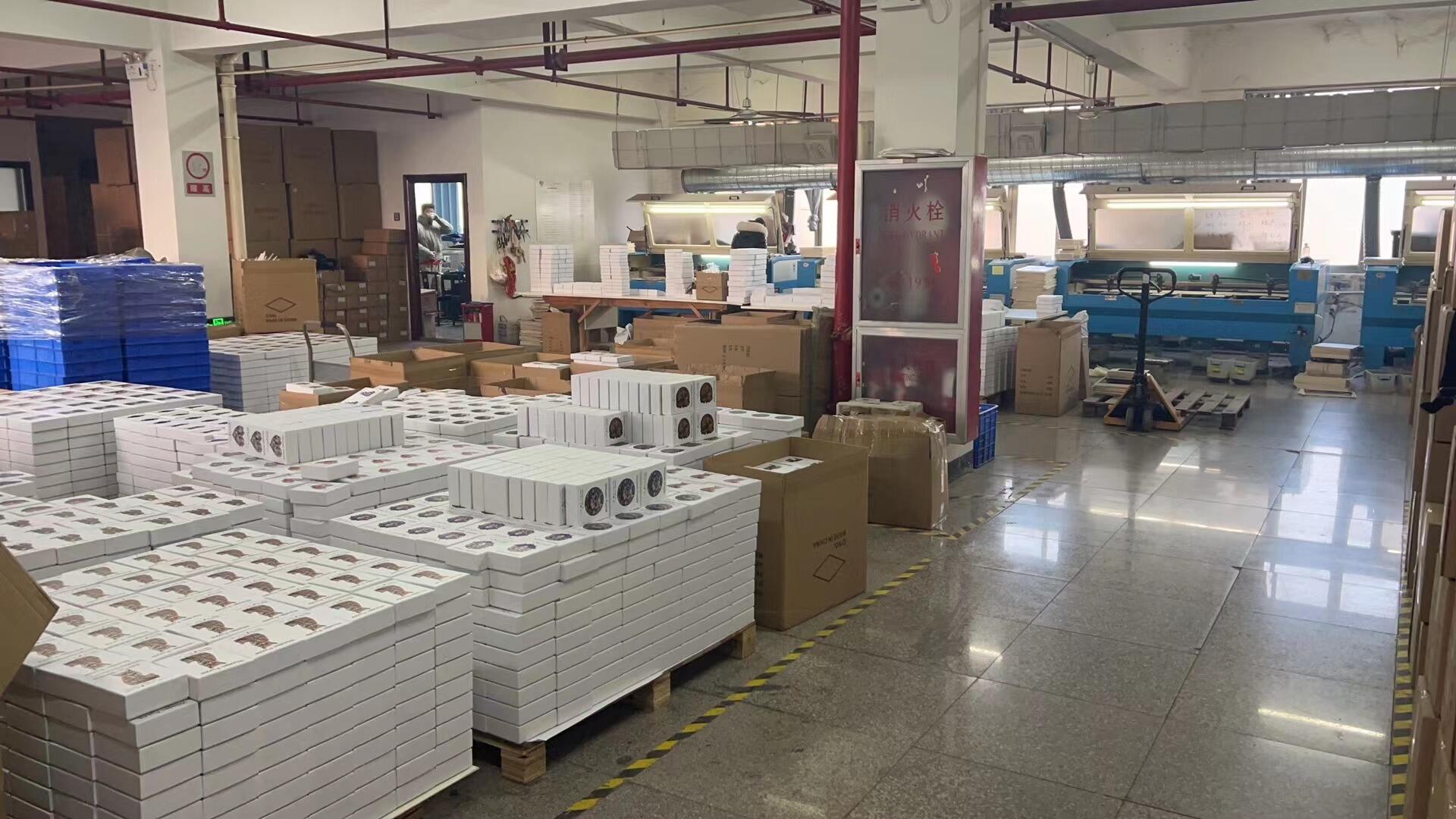
Why Fit Accuracy Is Critical for 3D Wooden Puzzles
The #1 Cause of Post-Launch Returns: Interlock Failure in 3D Wooden Puzzles
More than two thirds of all customer returns in the 3D wooden puzzle market come down to interlock problems. The puzzles just won't stay together when those little tabs and slots miss their marks by even a fraction of a millimeter. What happens then? Models either fall apart completely or simply can't be assembled at all. Most manufacturers point fingers at laser cutting processes that haven't been properly tested for accuracy, plus variations in wood quality that get worse when scaling up production runs. Smart companies invest time upfront doing thorough fit checks before mass producing anything. These extra steps might seem tedious but they save money in the long run while keeping customers happy and preserving what matters most - the company's good name on store shelves.
Material Realities: How Wood Grain, Moisture, and Ply Thickness Affect Fit Consistency
Wood’s organic variability introduces three critical fit risks:
- Grain orientation alters flexural strength, causing misalignment under assembly pressure.
- Moisture fluctuations (±5%) expand or shrink plywood beyond design limits.
- Ply thickness variance (0.1–0.3mm) compounds across layers, triggering interlock jams.
These variables produce discrepancies invisible in digital prototypes. Factories that mitigate them through humidity-controlled staging and calibrated ply sourcing cut assembly errors by 47%, per industry benchmark data from the International Woodworking Federation.
Pre-Mass-Production Fit Validation Process for 3D Wooden Puzzles
Digital Mock-Up + Physical Test Fit: The Dual-Layer Verification Standard
Most manufacturers have settled on a two step check process before going into full scale production runs. They start with computer models based on CAD designs to look at how parts fit together, catching around 85% of possible friction spots even before building any actual prototypes. After that comes the real world test phase where specially cut samples get put through their paces by experienced quality control staff. These folks actually handle the pieces during assembly tests, checking things like wood grain orientation and pressure between layers something no simulation software can truly capture. Every single joint goes through at least fifty back and forth assembly tests to see how it holds up over time. This combined method cuts down on defects after manufacturing by roughly seventy percent when compared to relying solely on physical testing. And it makes sure those tabs and slots stay aligned within that super tight 0.15mm gap needed so customers don't struggle with frustrating assembly issues later on.
First-Piece Approval Protocol: 100% Functional Fit Check per CNC/Laser Program
Once we've done all the digital checks and made sure the prototypes work right, there's this important first article inspection that just has to happen. We take one puzzle piece and cut it out with our final CNC or laser settings, then put everything together while keeping the humidity levels just right. The techs check three main things: how wide the cuts are (that's the kerf), how deep the pieces lock into each other, and whether the whole thing stays stable after assembly. If anything measures off by more than 0.1mm, we stop everything and adjust the tools right away. This catch system actually stops around 92% of problems that come from worn bits or those pesky thermal issues in laser systems. And no one gets to start making thousands of puzzles until they pass this 22 point test list. Want to know what's on that list? Among other things, the puzzle has to come apart and go back together perfectly five times in a row without any hiccups.
Precision Engineering Behind Reliable 3D Wooden Puzzle Interlocks
The 0.15mm Tolerance Rule: Why Sub-Millimeter Clearance Defines Success
A tolerance of 0.15mm is pretty much the gold standard when it comes to making those 3D wooden puzzles work properly. This small gap lets the wood expand naturally as humidity changes around it, but still keeps things from getting stuck together or breaking apart when someone tries to put them together. According to what we see across the industry, if manufacturers go over 0.2mm tolerance, there's about a 63% jump in how often these interlocks break, especially in really dry areas where friction becomes a problem. Most companies rely on precision laser cutting equipment to hit these tight tolerances consistently. These machines have special calibration systems that adjust on the fly as temperatures change during operation. To check if their products meet these standards, manufacturers run tests in controlled environments. They'll cycle prototype pieces through different humidity levels, typically between 30% and 80% relative humidity, to mimic what happens to the product in various parts of the world throughout the year.
Kerf Variance & Tool Wear Management: Mitigating Drift in Early Production Batches
Kerf width inconsistency poses the greatest risk in early production runs. As cutting tools wear, laser kerf can drift up to 0.08mm within the first 500 units—enough to compromise interlock function. Leading factories deploy two countermeasures:
- Statistical process control (SPC) tracking of cut depth every 50 units
- Predictive tool replacement at 85% wear threshold using acoustic emission sensors
This protocol reduces dimensional drift by 78% versus scheduled maintenance alone. Production data confirms batches managed this way maintain consistent ±0.05mm kerf tolerance through 5,000-unit runs—eliminating early-batch waste and ensuring fit reliability from Unit 1 onward.
FAQ
Why is fit accuracy important for 3D wooden puzzles?
Fit accuracy is crucial because even a slight misalignment can lead to interlock failure, causing puzzles to fall apart or be impossible to assemble. This affects customer satisfaction and return rates.
What are the main factors that affect the fit of wooden puzzles?
Grain orientation, moisture fluctuations, and ply thickness variance are the main factors that can alter fit consistency in wooden puzzles.
How do manufacturers ensure fit accuracy?
Manufacturers use a combination of digital mock-ups and physical test fits, along with a stringent first-piece approval protocol to maintain high levels of fit accuracy.
What tolerance levels are considered acceptable for 3D wooden puzzles?
A tolerance of around 0.15mm is considered the gold standard for 3D wooden puzzles to ensure optimal interlock reliability.
How do companies mitigate tool wear during production?
Companies utilize statistical process control tracking and predictive tool replacement based on acoustic emission sensors to manage tool wear effectively.