
 EN
EN




Low-Barrier Entry with High-Margin Potential for Private Label
Minimal Upfront Investment vs. Scalable SKU Customization
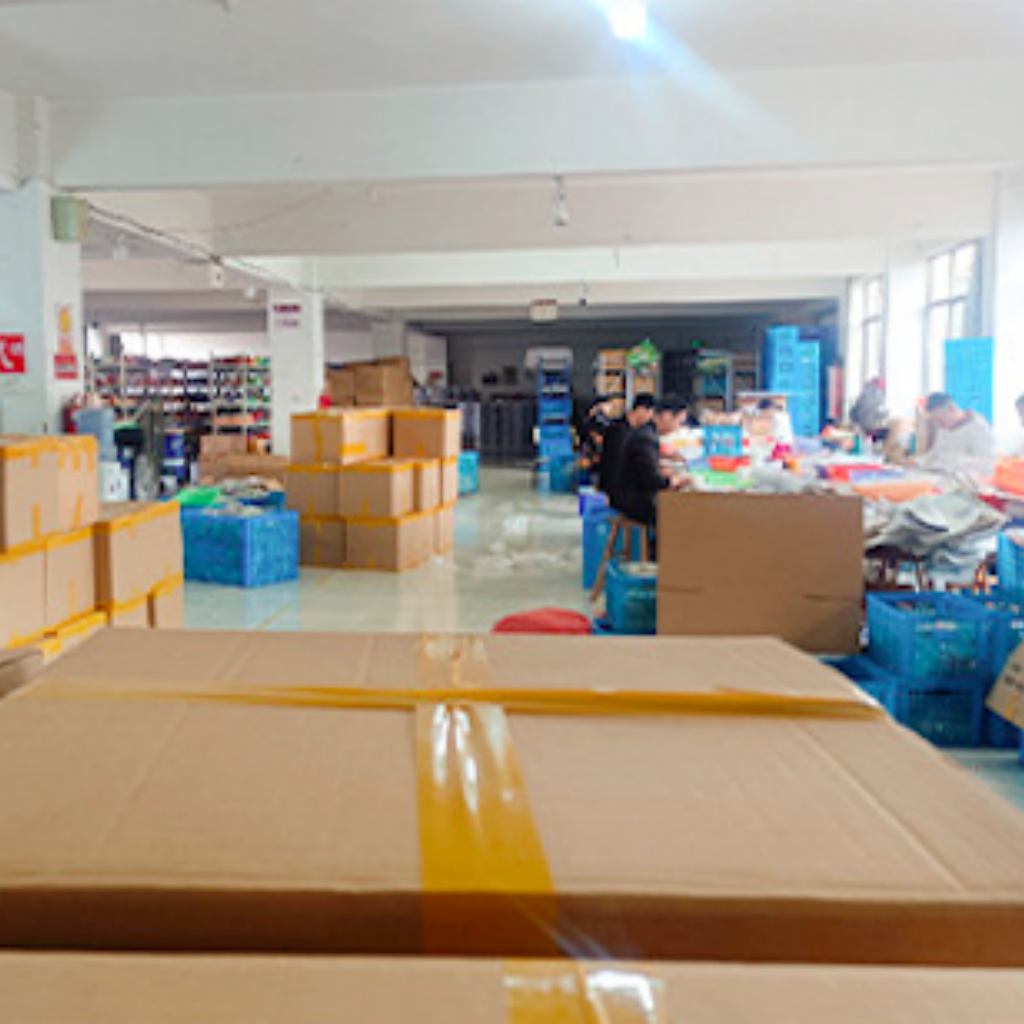
For niche e-commerce brands looking to get into private label products without breaking the bank, book nook kits present an attractive option. What sets this apart from regular custom manufacturing is that it works with what's already there in terms of production facilities. No need to spend money on research and development or invest in expensive tooling upfront. Brands wanting to test the waters can start small with just a few sample runs first. They might try something trendy like Cottagecore designs or maybe go for Dark Academia aesthetics to see if people actually want these things before going all in. The whole process moves much faster than traditional methods do, which means less money tied up in inventory and getting products out there quicker. When it comes to actual production work, third party manufacturers take care of everything from finding materials to cutting them out and putting them together. This lets brand owners concentrate on what makes their product stand out, tell better stories about their offerings, and create experiences customers will remember. As sales pick up, expanding the range of items becomes pretty straightforward too. Want to add some fancy laser cut details or special themed accessories? No problem at all since there's no need for brand new molds or setting up extra production lines.
Gross Margin Analysis: How Book Nook Kit COGS Supports 60–75% Margins
Book nook kits sold under private labels tend to make really good money because they just don't cost much to produce. The main stuff goes for cheap too laser cut wood pieces, those little LED lights that run on low voltage, plus all sorts of tiny decorative items. Everything scales pretty well, so the cost to make each kit stays below fifteen bucks even though stores sell them for around sixty to seventy five dollars. Shipping these things flat packed saves about thirty two percent on logistics compared to sending out already assembled versions. And when companies sell directly to customers instead of through retailers, they get to keep all that retail markup for themselves. Most of the time, these private label products end up with gross margins between sixty and seventy five percent, which beats what most other craft and home decor items manage. According to McKinsey research, private brand goods generally bring in about double what national brands do in terms of gross profit margins.
Strong, Sustainable Demand for Book Nook Kits Driven by Aesthetic Commerce
'Cozy Core' and Social Proof: Why TikTok & Pinterest Fuel Repeat Book Nook Kit Purchases
Platforms such as TikTok and Pinterest have really boosted interest in miniature crafts thanks to what's called "cozy core" vibes. Think warm lights, soft textures, and those little corners filled with stories that just speak to people who love making things and want to escape stressfully. The hashtag #BookNook has tons of DIY videos getting around 2.4 million views each month now. When someone finishes their project, it becomes kind of like word of mouth from friends online. People tend to buy more kits after their first purchase too. About 6 out of 10 customers grab another kit within three months or so because they want to match holiday decorations, find gifts for others, or simply update their own style preferences. Book nooks aren't just single projects either. They encourage folks to keep adding to their collections over time, which means businesses get to maintain relationships with customers much longer than typical crafts do.
Search & Sales Data: 217% YoY Growth in 'Book Nook Kit' Volume (Google Trends & Shopify Analytics)
The market numbers tell a pretty clear story about growing interest in book nooks. According to Google Trends, searches for "book nook kit" jumped by 217% compared to last year, which is way ahead of what we're seeing across the general crafting world (about 5 times faster). Merchants on Shopify are reporting steady sales increases of over 50% each quarter since 2023, and it's the pricier options between $45 and $75 that bring in most of the money. We're actually witnessing something bigger happening here too. Miniature display items now account for around 18% of all home decor searches online. People seem to be craving real, physical experiences these days instead of getting overwhelmed by digital stuff everywhere. And looking at the numbers, average spending per customer has gone up by 22% every year. Book nook kits stand out because they connect what people search for online with actual purchases, something that doesn't happen so often in this $5.2 billion DIY craft market.
Built-In Private Label Flexibility Across Book Nook Kit Design and Branding
Modular Components Enable On-Brand Theming (Cottagecore, Dark Academia, Japandi)
Book nook kits were designed with brand creativity in mind. The modular setup lets brands play around with different looks quickly and affordably. Miniature plants, building exteriors, lights, and interior decorations all work together like puzzle pieces that can be swapped out whenever needed. Want to go Cottagecore? Moss green woods and flowers do the trick. For something darker and more academic, brass trimmed shelves and paper-like walls fit right in. Looking at Japandi style? Shoji screen inspirations and simple color schemes make it happen. Best part? No need for expensive custom tools or manufacturing processes when making these changes.
The flexibility offered actually reduces development expenses by around 40% compared to those fixed design kits, plus it gets products to market much faster. Looking at numbers from niche e-commerce platforms, themed kits tend to perform better too, converting about 28% more often than run-of-the-mill options. Makes sense really when we think about how people shop these days. The modular approach doesn't mean sacrificing quality either. Standardized instructions for putting things together, consistent measurements, and uniform finishing techniques keep everything looking good no matter which theme is chosen. Companies still have complete say over how their packaging looks, what kind of message they want to send, and even the whole unboxing moment. Each kit ends up feeling like a natural part of the brand's personality rather than just another product on the shelf.
Operational Advantages: Dropshipping-Ready Fulfillment and Exceptionally Low Returns Risk
Flat-Pack Efficiency Cuts Shipping Costs by 32% vs. Pre-Assembled Display Units
The flat pack design really makes a difference when it comes to getting things done efficiently. When we take out all that empty space inside packaging and avoid those extra charges for bulky items, book nook kits actually cut down on shipping costs by around 32% compared to what happens when products arrive already put together. The smaller size means more can fit on each pallet, which naturally reduces how much warehouse space is needed. Plus, these designs work great with dropshipping arrangements where suppliers just send straight to customers without anyone touching them in between. Looking at numbers from third party logistics companies shows something interesting too. Flat packed items that nest together properly bring down those final delivery costs anywhere from $1.80 to $2.50 per item. That might not sound like much, but across thousands of shipments, it adds up nicely to boost overall profits.
High Perceived Value, Low Physical Footprint, and Industry-Leading <2.1% Return Rate
Even though they take up only about 0.15 cubic feet when packed away, book nook kits somehow manage to create this amazing sense of value. They use really nice materials, have lights built right in, and tell stories through their designs. The mix of feeling good emotionally and being actually useful means people rarely send them back. According to some numbers from 2023 online shopping reports, the return rate for these things is below 2.1%. That's pretty impressive compared to other stuff. These kits don't suffer from those typical problems that make customers change their minds later on. There's basically no issue with sizes not fitting, very little chance something gets broken during shipping, and almost nobody regrets buying one after getting it home. Because of all this, there are way fewer complaints coming in than what we normally see in home decor categories. This cuts down on customer service work and helps build stronger relationships with shoppers over time.
FAQ
What is a book nook kit?
A book nook kit is a miniature diorama that fits on bookshelves, designed with various themes such as Cottagecore, Dark Academia, or Japandi, adding a unique aesthetic appeal to spaces.
Why are book nook kits a good opportunity for niche e-commerce brands?
They require minimal upfront investment, offer high-margins, and allow for customizable and scalable SKU options, making them an attractive option for niche e-commerce brands.
How do book nook kits achieve high gross margins?
Book nook kits are low-cost to produce yet can be sold at a high price point, benefiting from flat-pack shipping efficiency and direct-to-consumer sales channels, resulting in margins of 60% to 75%.
How has the demand for book nook kits increased?
Interest is driven by social media platforms promoting 'cozy core' aesthetics and significant growth in search and sales data, with a notable 217% increase in 'book nook kit' searches year-on-year.
Table of Contents
- Low-Barrier Entry with High-Margin Potential for Private Label
- Strong, Sustainable Demand for Book Nook Kits Driven by Aesthetic Commerce
- Built-In Private Label Flexibility Across Book Nook Kit Design and Branding
- Operational Advantages: Dropshipping-Ready Fulfillment and Exceptionally Low Returns Risk
- FAQ