
 EN
EN




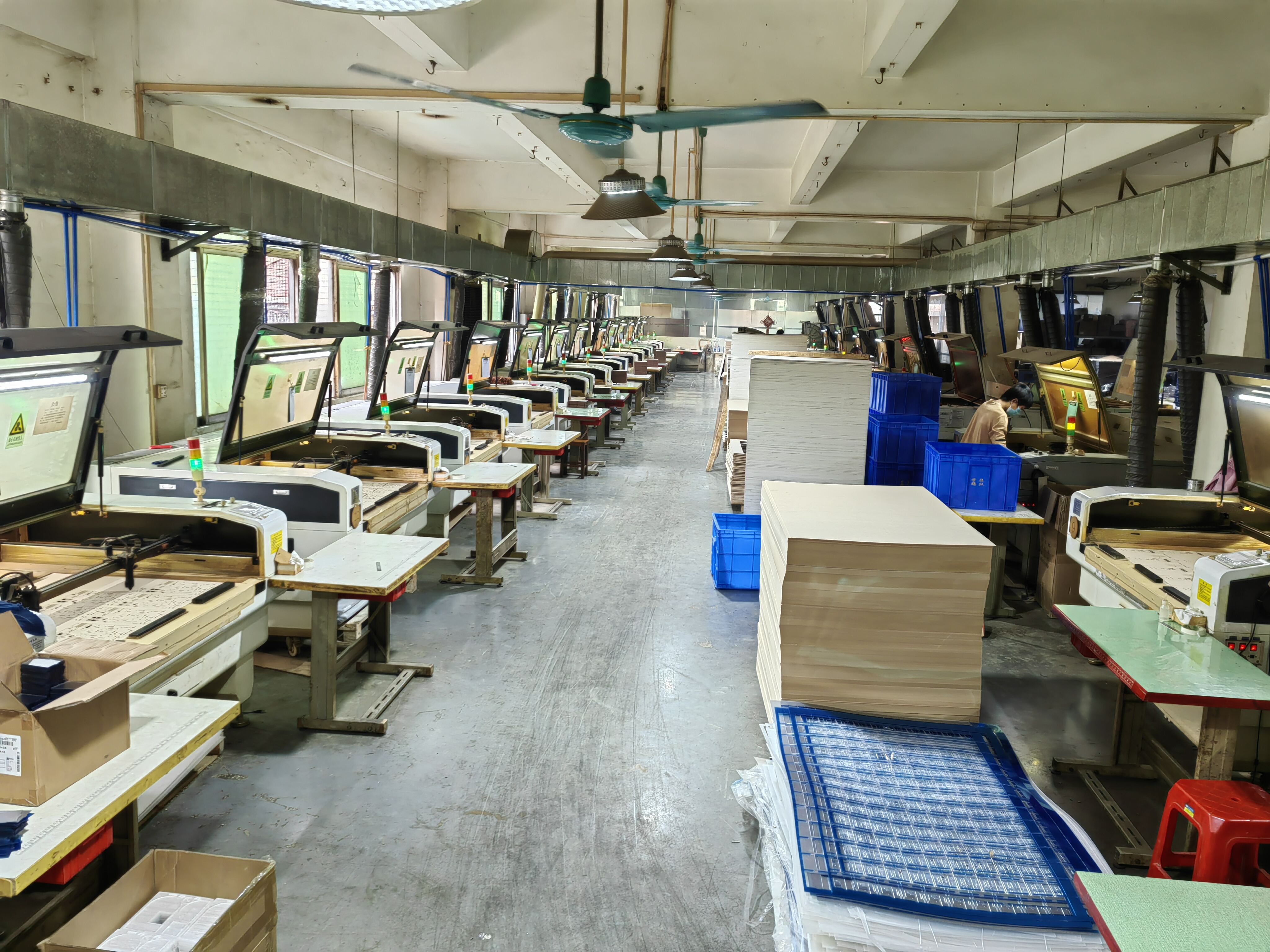
Canvas & Printing: The Foundation of Precision in Every Paint by Number Factory Kit
Canvas Weave Density and Pre-Priming Standards for Optimal Paint Adhesion
The best paint-by-number kits start with specially made canvases that have around 12 to 14 threads per centimeter woven together. This tight weave helps stop paint from bleeding through while still being strong enough when people handle their artwork. Most manufacturers coat these canvases with three layers of acrylic gesso using automatic sprayers, which gives them a consistent primer layer about 120 to 150 micrometers thick. What this does is create a slightly rough surface on the canvas that actually makes paints stick better. According to research published in Material Science Journal last year, this method boosts paint adhesion by roughly 40% compared to regular unprimed canvases. Plus, it seals those tiny holes in the fabric so colors don't get absorbed into the material itself, keeping the finished piece looking closer to what was originally designed digitally. Before shipping out, companies test each batch with something called ASTM D3359 cross hatch tests. If less than 5% of the paint comes off after it dries, then they know the bond between paint and canvas meets professional standards.
Laser vs. Offset Printing Accuracy: Why ±0.3mm Tolerance Matters for Factory-Quality Kits
What separates pro quality from regular store bought kits? Look at the printing precision. Laser digital printers can hit about 0.1mm accuracy when placing those tiny toner particles, way better than what most offset presses manage at around 0.5mm. This means there's basically no gap or overlap between those numbered parts when they come together, so designs stay clear even in complicated layouts. Manufacturers check for these tiny differences under 200 times magnification looking specifically at those registration marks. According to that new Consumer Craft Report from 2024, any kit that falls outside this 0.3mm range ends up with roughly 22% more complaints about pieces not lining up properly. And let's face it, nobody wants to struggle with fuzzy edges. These super accurate prints give clean lines that work just as well for someone picking up their first kit as they do for seasoned hobbyists who demand perfection.
Paint Formulation & Safety: What Sets a Top-Tier Paint by Number Factory Apart
Titanium Dioxide Load, Opacity Testing (ASTM D2806), and Coverage Consistency
The best quality paint shops get the titanium dioxide levels just right around 18 to 22 percent by volume. They do this because it works great for covering surfaces completely in one coat without leaving streaks or looking see through. Most good quality paints go through opacity tests according to ASTM D2806 standards. The top brands usually hit about 99.5% coverage when applied at the standard 30 microns thick. When paints are made this consistently, there's no problem with colors bleeding through each other. People don't need to fix up spots as much either. Plus, brushes move smoothly over the surface and everything dries predictably regardless of what color someone picks.
Viscosity Control (45–55 cP) and Global Safety Compliance (EN71-3, ASTM F963)
The paint's viscosity stays right around 45 to 55 centipoise thanks to those fancy precision rheometers we use. This keeps things flowing smoothly without drips when applied, so it goes on evenly from brush to canvas surface. We run every single pigment batch through independent testing for heavy metals just to be sure. These tests check against both European EN71-3 standards and American ASTM F963 requirements. What do the results show? Lab reports consistently find no detectable amounts of harmful stuff like lead, cadmium or mercury below 0.009%. That means our products meet all the major international safety standards out there while also minimizing any chance of causing skin irritation issues for users.
Factory-Level Quality Control: Traceability, Consistency, and Real-Time Color Validation
Spectrophotometric Delta E ≤ 1.5 Across Batches — A Paint by Number Factory Benchmark
Leading paint-by-number factories deploy an integrated, three-tier quality system to guarantee batch-to-batch consistency and material reliability:
- Blockchain-enabled traceability, tracking raw materials from source to finished kit and reducing audit-related defects by 34%
- Automated spectrophotometry, validating color accuracy against a Delta E ≤1.5 tolerance—the industry benchmark for visually imperceptible variation
- Real-time SPC dashboards, continuously monitoring viscosity, curing parameters, and print registration
This system is enforced through spectral analysis at three production checkpoints, digital batch records with laser-engraved compliance markings, and cloud-based platforms that auto-flag deviations beyond ±0.3mm registration tolerance. As confirmed by the 2023 Global Art Supplies Report, factories sustaining Delta E ≤1.5 saw 27% fewer returns due to color mismatch.
Operational Integrity: How Ethical Sourcing, Transparency, and Customer Support Reflect True Factory Quality
What sets top paint-by-number manufacturers apart isn't just what they say on packaging, but actual proof built into every step from materials to finished products. When it comes to getting stuff right, companies start by checking their supply chains thoroughly. They source sustainable wood for those stretcher frames, use pigments that come from ethical mining operations, and ensure workers are treated fairly according to ISO 20400 guidelines and other global environmental benchmarks. The transparency goes way beyond just meeting regulations too. These businesses actually share where their raw materials come from, show pictures of factory conditions, publish numbers about their carbon emissions, and track how many products get recycled after customers finish them. About three quarters of shoppers now look for this kind of honesty before making a purchase, which makes sense because nobody wants to feel like they're supporting bad practices. And let's not forget customer service either. Teams speaking multiple languages handle complaints and questions within a day, showing real commitment to fixing problems when they arise. All these elements combined prove that running a business responsibly doesn't stand separate from creating great art supplies; it's part of the same package deal.
FAQs
What is canvas weave density, and why is it important? Canvas weave density refers to the number of threads per centimeter in the canvas. A higher weave density helps prevent paint from bleeding through and ensures durability.
Why is laser printing better than offset printing for paint by number kits? Laser printing offers higher precision with ±0.1mm accuracy, resulting in clearer designs and fewer alignment issues compared to offset printing.
What does titanium dioxide do in paint formulation? Titanium dioxide increases opacity, allowing surfaces to be covered completely in one coat.
How do top manufacturers ensure paint safety? They test for heavy metals and comply with standards like EN71-3 and ASTM F963 to ensure there's no detectable harmful substances.
What role does ethical sourcing play in factory quality? Ethical sourcing involves obtaining materials responsibly and transparently, ensuring fair worker treatment and meeting global environmental standards.
Table of Contents
- Canvas & Printing: The Foundation of Precision in Every Paint by Number Factory Kit
- Paint Formulation & Safety: What Sets a Top-Tier Paint by Number Factory Apart
- Factory-Level Quality Control: Traceability, Consistency, and Real-Time Color Validation
- Operational Integrity: How Ethical Sourcing, Transparency, and Customer Support Reflect True Factory Quality