
 EN
EN




Why Custom 3D Wooden Puzzles Strengthen Brand Identity
Aligning Puzzle Form, Narrative, and Unboxing Experience with Core Brand Values
Each touchable part of a custom 3D wooden puzzle serves as tangible expression of what makes a brand unique. The way these puzzles are made matters too. Laser cut edges and special assembly steps create something that feels different from mass produced items. For architecture firms, the shape might reflect building designs. Eco friendly stores often see better results when their puzzles incorporate nature inspired shapes and forms. What happens when someone opens the box? The feel of real wood grains, engraved pieces with company names or logos, and instructions that tell stories about the brand all help build connections even before putting anything together. People don't just assemble these puzzles. They end up keeping them on display around their homes or offices, creating lasting associations between the object and whatever company created it.
Case Study: NASA-Branded STEM 3D Wooden Puzzle Line — 42% Higher Social Shareability vs. Generic Puzzles
NASA teamed up with a major manufacturing company to create a special line of Saturn V rocket puzzles made from precisely cut wood pieces along with detailed building instructions. What made these kits stand out? Each one came with QR codes linking to real astronaut interviews and interesting facts about planets, so putting them together became almost like taking part in a science adventure. According to the latest STEM Engagement Report from 2023, this storytelling angle really worked well - people shared these puzzles online about 42% more often than regular puzzles. People loved documenting their progress too, making those "launch day" videos where they'd tag friends, and overall created around three times as much content as usual marketing efforts. The whole thing succeeded because it turned what could be just another puzzle into something worth showing off, matching what many folks want to feel when they engage with brands.
OEM Capabilities That Enable Distinctive 3D Wooden Puzzle Execution
Micro-Batched Production and Precision Laser-Cut Wood Grain Matching for Brand Consistency
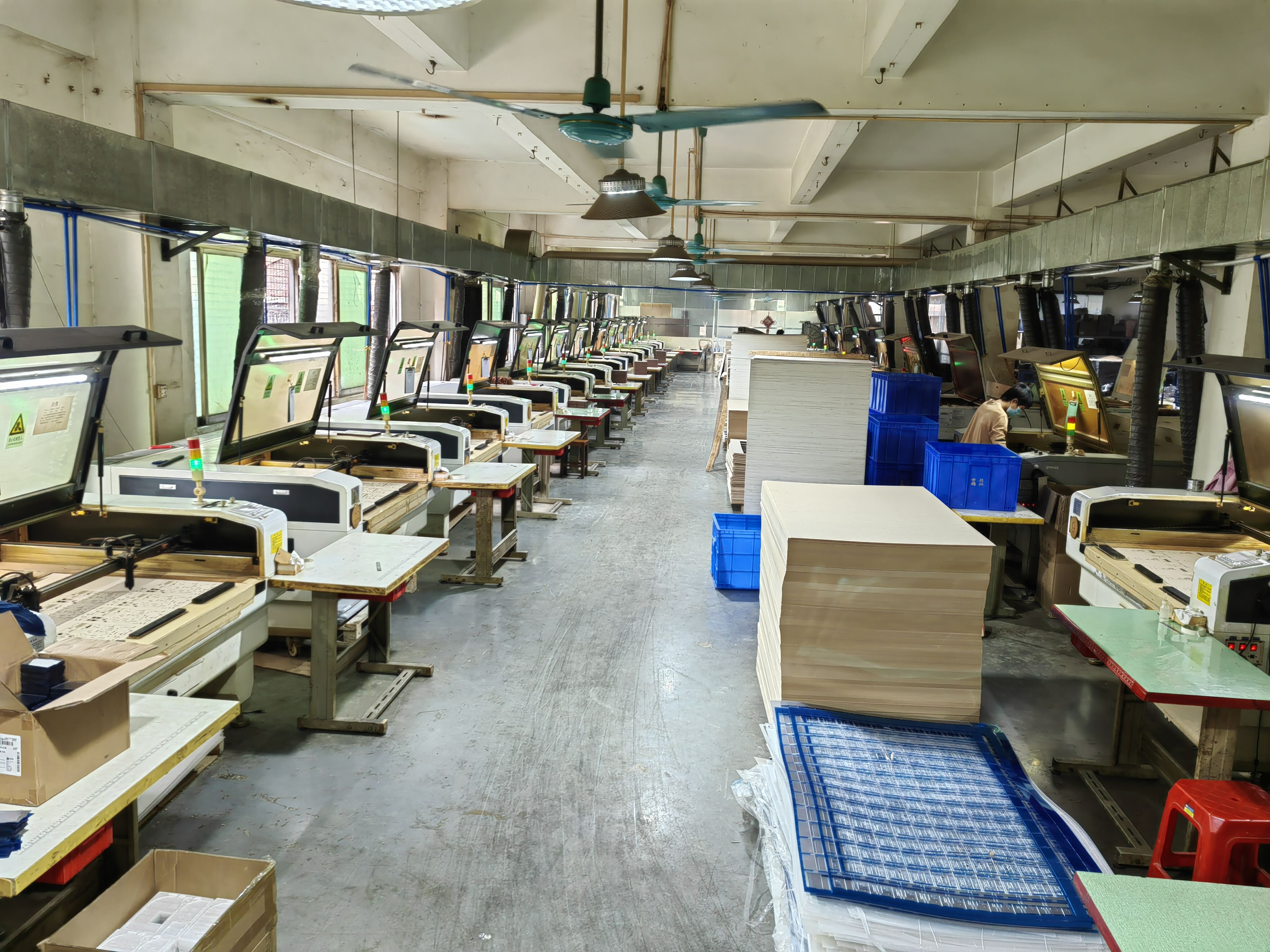
Small batch production helps maintain tight quality control when making limited runs of those custom 3D wooden puzzles something that matters a lot for keeping brand standards consistent as production scales up. The advanced laser cutting systems controlled by CNC technology let manufacturers match wood grain patterns really precisely across all the different parts. And there's also specific moisture control for different wood types like drying maple or birch down to around 6-8% humidity which keeps everything dimensionally stable and looking good together. Instead of hiding the natural variations in wood, this approach actually highlights them as part of the design itself, which makes a real difference in things like architectural models or nature inspired sculptures. According to industry numbers, getting that kind of precision at the micron level cuts down on rejected pieces by about 73% compared to older methods. That definitely affects how people perceive the overall craftsmanship and reliability of these products.
Eco-Certified Materials and Craftsmanship as Tangible Brand Signifiers
Material choices that support sustainability aren't just nice to have anymore—they've become essential for building brand credibility. Top furniture makers are going with FSC certified hardwood options such as birch and maple because they offer good strength plus those beautiful wood grain patterns people love. They also stick to formaldehyde free glues and water based finishes that keep the natural look intact while still passing all the green certifications. The finishing process involves some serious attention to detail too. Three stages of sanding and special techniques for smoothing edges get rid of those tiny splinters and make sure everything fits together smoothly when assembled. For companies committed to ethical practices, these physical qualities turn their sustainability promises into something customers can actually feel and remember. Synthetic materials just don't come close to matching that combination of warmth, genuine character, and skilled craftsmanship.
3D Wooden Puzzles as Interactive Brand Engagement Tools
From Promotional Item to UGC Catalyst: ‘Build-and-Share’ Campaigns Generate 3.2x More Authentic Engagement
Static promotional stuff just sits there, but 3D wooden puzzles actually require people to get involved. When someone puts together these puzzles, they become part of the story themselves. People tend to take photos during assembly, share updates on social media, and then post pictures of their finished work with stories about how long it took or what challenges they faced. Companies that run build-and-share type campaigns see roughly three times more interaction compared to regular freebie giveaways. The physical effort people put into building something creates real connections with the brand, leading to genuine word of mouth promotion instead of forced advertising.
| Engagement Type | Consumer Action | Brand Impact |
|---|---|---|
| Traditional Items | Passive reception | Limited recall, low sharing |
| 3D Wooden Puzzles | Active building + documenting | 3.2x UGC, community creation |
This participatory model sparks conversation, builds peer-to-peer connections among enthusiasts, and converts customers into loyal brand ambassadors—turning every completed puzzle into a visible, shareable expression of shared values.
FAQ
Why are custom 3D wooden puzzles effective for brand building?
Custom 3D wooden puzzles serve as tangible expressions of brand identity through unique designs, storytelling, and interactive elements. They foster engagement and create lasting associations with the brand.
What materials are used to maintain the eco-friendliness of these puzzles?
Eco-certified hardwood options such as birch and maple, formaldehyde-free glues, and water-based finishes are used to ensure sustainability and maintain green certifications.
How do "Build-and-Share" campaigns enhance brand engagement?
"Build-and-Share" campaigns encourage consumers to actively participate in assembling puzzles and share their creations, leading to three times more interaction and genuine word-of-mouth promotion compared to traditional promotional items.