
 EN
EN




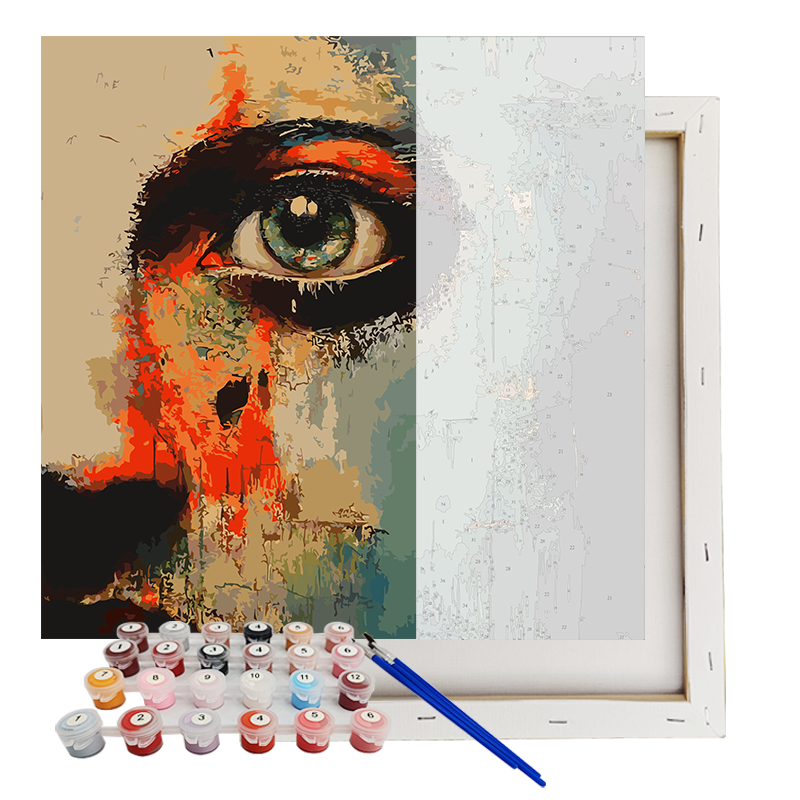
What Is Canvas by Numbers and Why It’s Perfect for Home Artists
Understanding the Canvas by Numbers Concept and Its DIY Appeal
The canvas by numbers approach brings art within reach for many folks who might otherwise never pick up a brush. What these kits actually do is pretty simple yet effective they come with canvases already printed with numbered sections, where each number corresponds to a particular color of paint. The whole setup takes away all the guesswork involved in creating complex pictures, breaking them down into bite-sized pieces anyone can handle. Great for those just starting out, this method lets even complete novices produce something that looks professionally made without needing years of lessons first. A recent study from the National Endowment for the Arts found that around three quarters of adults gain confidence in their artistic abilities when given some guidance along the way something that canvas by numbers delivers right on schedule.
The Rise of Step-by-Step Painting Tutorials for Beginners
People are really getting into structured art learning these days. Just look at Google search trends for "painting tutorials for beginners" which have shot up by over 200% since 2020. That's where canvas by numbers comes in handy. These kits offer step-by-step guidance divided into specific areas on the canvas, helping newcomers develop essential painting techniques such as controlling brushes and mixing colors properly. Traditional freeform tutorials can leave many feeling stuck or unsure where to start, but the numbered approach takes away that anxiety factor. According to research from the Craft & Hobby Association, around one third (34%) of beginner painters successfully finished their first artwork using these guided systems, whereas only about 12% managed it with regular teaching methods. Makes sense why so many artists prefer this method nowadays.
Why Canvas by Numbers Resonates with Crafters and B2B Creative Brands
For crafters, these kits offer a flexible framework to explore techniques while ensuring satisfying results. B2B brands use them for:
- Low-barrier team-building workshops
- Custom corporate gifts with branded or personalized imagery
- Entry-level retail products through creative partnerships
The model works for both hobbyists—who spend an average of $240 annually on craft kits—and commercial ventures, as the global DIY craft market is projected to hit $53 billion by 2027 (Grand View Research).
Essential Supplies and Budget-Smart Material Choices
Core Tools: Brushes, Paints, and Surfaces for Canvas by Numbers Success
Getting good results begins with a few basic things: synthetic brushes ranging from size 2 to 8, acrylic paints that won't fade over time, and canvases marked clearly so artists can find their way around. For covering larger sections, flat or filbert brushes work best while round brush heads are great for those tiny details most people struggle with. Hobby painters often mention these specific tools when talking about what helps them achieve clean lines when following painting instructions step by step. Around 8 out of 10 art enthusiasts actually rely on these brush types for their projects. Newcomers might want to go for medium weight cotton canvases somewhere between 8 and 12 ounces. These hold up better through several coats of paint without getting warped or damaged, which saves frustration later on.
Affordable Alternatives: Using Household or Recycled Materials
Save money by repurposing everyday items:
- Paint mixers: Coffee stirrers or toothpicks
- Texture tools: Plastic forks, sponges, or crumpled foil
- Brush cleaners: Olive oil effectively removes dried acrylic paint
In 2023, artists saved an average of $56 per year using recycled materials instead of buying specialized tools. Empty pill organizers work well as portable paint palettes, and thrifted frames can turn finished pieces into gallery-style displays.
How to Make Your Own Canvas Panels to Cut Costs
DIY panels reduce material costs by up to 60%:
| Material | DIY Approach | Professional Alternative |
|---|---|---|
| Surface | Primed hardboard scraps | Pre-stretched canvas |
| Primer | 2:1 white glue + water mix | Gesso |
| Template | Free grid-generator apps | Printed kits |
Cut wood or cardboard to size, sand the edges, and apply three coats of primer. This method mirrors cost-effective fabrication strategies used in manufacturing, delivering studio-quality surfaces for under $3 per 12"x16" panel.
Step-by-Step Process: From Blank Canvas to Finished Artwork
Preparing the Canvas: Mounting and Priming at Home
Staple or pin the canvas down onto something flat and level. Getting good tension matters quite a bit actually. Some folks swear that keeping the canvas tight can cut down on those annoying paint bubbles by around a third, though I've never measured it myself. For the base coat, go ahead and apply two thin layers of gesso. Don't forget to give each layer a light sanding after it dries. This creates just enough texture so the paint sticks better later on. Let everything dry for at least an hour or two before moving forward with transferring whatever design you have planned. Rushing this part tends to cause problems down the road.
Transferring Your Design: Grid Method vs. Digital Projector
For manual transfer, divide your reference image and canvas into matching 1" grids using a water-soluble pencil. Alternatively, digital projectors (available for under $120) project images directly onto the canvas at precise scales—ideal for complex patterns. Test alignment on scrap paper first to avoid errors.
Painting by Number Zones with Precision and Confidence
Begin with mid-tone colors using a #4 round brush, working outward from the center. A 2023 survey of 850 DIY artists found that 68% achieve cleaner edges by rotating the canvas to maintain horizontal brushstrokes. Keep a damp cloth handy to correct mistakes before the paint dries.
Layering Colors and Adding Depth for Professional Results
Add dimension with translucent glazes—mix one part paint with three parts medium. Apply darker tones in recessed areas and lighter ones on raised surfaces to simulate depth. Acrylics dry faster than oils (15 vs. 48 hours), enabling quicker layering without muddying colors.
Enhancing Texture Using DIY Techniques and Common Tools
Press textured objects into wet paint for striking effects:
- Bubble wrap for organic patterns
- Credit cards for sharp, linear marks
- Sea sponges for soft, mottled textures
Once fully dry (after 24–48 hours), seal the artwork with UV-protective varnish to preserve detail and prevent fading.
Creative Upgrades: Personalizing Your Canvas by Numbers Art
Adding Abstract Flair Within Numbered Sections
When working on artwork, don't be afraid to play around with colors in those numbered areas. Maybe replace the suggested colors with ones that sit next to them on the color wheel, or throw in some gentle gradients for depth. For that worn look, try dry brushing techniques. Want something really textured? Palette knives work wonders for creating thick impasto effects. Interestingly enough, a survey from last year found that nearly seven out of ten amateur painters reported feeling much happier with their creations after making changes outside what came in the box. There's just something satisfying about putting our own stamp on things rather than sticking strictly to instructions.
Incorporating Mixed Media for Unique Visual Effects
Elevate standard kits with layered elements:
- Metallic leaf accents in skies or floral highlights
- Collage additions like pressed flowers or handwritten notes
-
Ink washes to blur transitions between color blocks
Apply matte varnish after completion to protect dimensional details while preserving color accuracy.
Using Everyday Objects to Create Custom Textures
Common household items double as creative tools:
- Plastic wrap pressed into wet paint creates marbled backgrounds
- Old credit cards dragged through pigment yield crisp linear designs
-
Bubble wrap dabbed with paint produces dynamic dot patterns
This approach minimizes material costs while encouraging experimentation—key for achieving professional-looking results on a budget.
Turn Photos into Custom Canvas by Numbers Kits at Home
Converting Personal Photos into Printable Templates
Begin with really good quality images at least 300 DPI if possible, because this makes all the difference when turning regular photos into those numbered template formats later on. The better platforms these days automatically tweak the contrast settings which helps bring out faces more clearly and gets those color areas just right. A recent look at craft tech from 2023 showed that these automatic fixes cut down on mistakes during identification by around 35 percent compared to what people could do manually. When working with landscape shots specifically, it pays off to clean up busy backgrounds using digital tools so whatever needs attention stands out properly in the final product.
Best Digital Tools for Generating Step-by-Step Canvas Art Guides
Choose platforms that combine smart color segmentation with user-friendly customization, offering:
- Real-time previews of how color changes affect depth and contrast
- Zoomable mobile guides for detailed sections
- Support for multiple file formats (JPEG, PNG, RAW)
These features allow artists to adapt designs across canvas sizes without losing essential details.
Creating Meaningful Gifts and Decor with Custom Kits
Personalized canvas by numbers kits are popular in the DIY gift market, especially for milestones like anniversaries or pet memorials. Over 60% of users in creative communities report recipients display these artworks for more than two years—significantly longer than the eight-month average for generic decor.
FAQ Section
What is a canvas by numbers kit?
A canvas by numbers kit includes a pre-printed canvas with numbered sections, each corresponding to specific paint colors, allowing artists to create artworks step by step.
Are canvas by numbers kits suitable for beginners?
Yes, they are designed for beginners, providing guidance and structure to help develop painting skills without prior experience.
What materials do you need for canvas by numbers?
Essential materials include synthetic brushes, acrylic paints, and pre-marked canvases. You can also use household items like coffee stirrers or plastic forks for texturing.
Can I personalize my canvas by numbers artwork?
Yes, feel free to experiment with different colors, add abstract flair, or incorporate mixed media to make your artwork unique.
How can I turn my photos into a canvas by numbers kit?
Use digital tools to convert high-quality images into printable templates with smart color segmentation and customization features.
Table of Contents
- What Is Canvas by Numbers and Why It’s Perfect for Home Artists
- Essential Supplies and Budget-Smart Material Choices
- Step-by-Step Process: From Blank Canvas to Finished Artwork
- Creative Upgrades: Personalizing Your Canvas by Numbers Art
- Turn Photos into Custom Canvas by Numbers Kits at Home
- FAQ Section