
 EN
EN




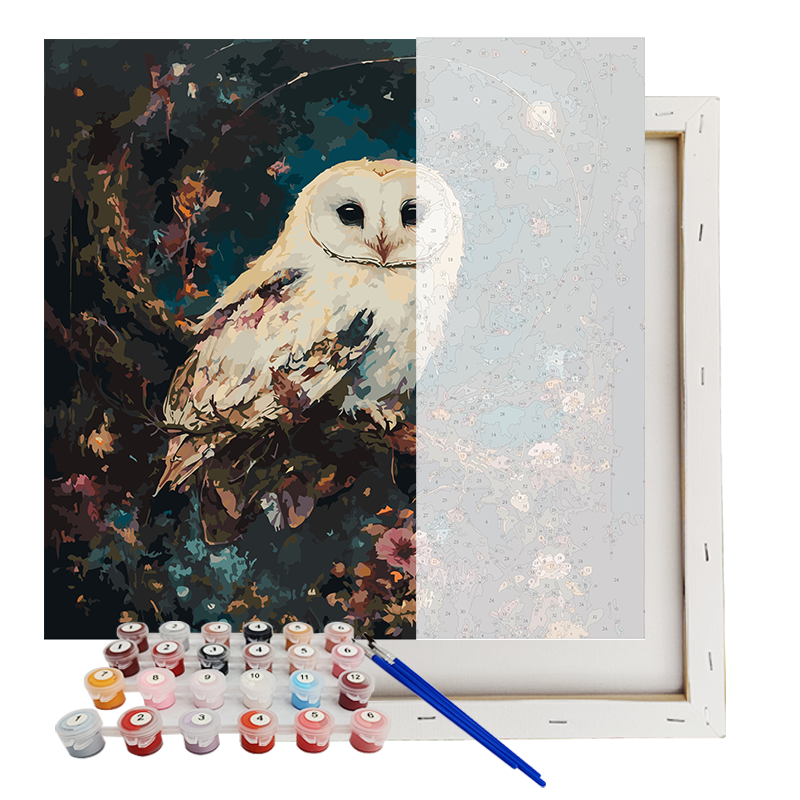
How Canvas by Numbers Works: A Beginner-Friendly Introduction
What Is Paint by Numbers and How It Simplifies Art for Beginners
The canvas by numbers approach takes complex artworks and divides them into numbered parts, where each number stands for a particular paint color. What makes this method so helpful is that it takes away all the guesswork about what colors go where and how everything fits together. That's why even people who've never picked up a brush before can create something beautiful without feeling overwhelmed. The structured nature of these kits actually helps reduce that mental exhaustion we get when faced with too many choices at once. Research backs this up too – according to a study published in the Art Education Journal last year, around 8 out of 10 new painters manage to finish their first piece when following a numbered guide, whereas only about 4 out of 10 manage it with an empty canvas.
Step-by-Step Process: From Unboxing to First Brushstrokes
- Prepare Materials: Unpack the pre-printed canvas, acrylic paints, and brushes
- Organize Colors: Match numbered paint pots to the canvas key
- Start Painting: Begin with larger areas using medium brushes before moving to fine details
- Layer Carefully: Apply thin, even coats to preserve the underlying numbers
Most kits feature edge-stretched canvases that stay flat without additional framing and use quick-drying acrylics to minimize smudging. Starter projects typically take 6–8 hours to complete, allowing for manageable, satisfying progress.
Why the Structure of Canvas by Numbers Supports Novice Artists
Using grids really helps people get better at controlling their brushes and teaches basic stuff about colors and how to create shadows through actual painting. Those numbered sections work kind of like training wheels for new artists, which makes them feel more confident as they start learning without even realizing it. According to a survey from Creative Skills in 2023, around 7 out of 10 folks said they understood lighting and shadows much better once they completed their first numbered canvas project. That's pretty impressive when considering how complex these concepts can be for someone just starting out.
Key Components of a Canvas by Numbers Kit and Their Quality
Pre-printed canvas: Accuracy and durability for beginners
Getting a good quality pre printed canvas really makes all the difference when it comes to getting accurate results without too much hassle. The best painting kits typically come with cotton or linen materials that don't warp easily and take paint nicely something that matters a lot if those numbered guides need to stay visible during the whole project. Some studies have shown around 78 percent of people who try painting for the first time actually finish what they start as long as those numbers on the canvas remain legible through each step of the process.
Acrylic paints: Non-toxic, vibrant, and beginner-safe formulas
Good quality art kits often feature water based acrylics that have passed the ASTM D-4236 certification test. These paints stand out because they come in vibrant colors, clean up easily with just water, and don't give off strong smells. The non toxic nature makes them much better suited for homes, especially where kids might be around. According to recent findings published in an art material safety report last year, switching away from oil based options can cut down allergy reactions by almost two thirds. When shopping around, check if the packaging displays the AP seal from ACMI the Art and Creative Materials Institute. This little mark means the product has met rigorous safety requirements, giving peace of mind to anyone creating at home.
Brushes and tools: Usability and longevity in entry-level kits
Well-designed kits include appropriately sized synthetic brushes–such as #0 for fine details and #4 for broader fills–that resist fraying and support precise application. Some also offer dual-ended tools, like a stylus for reading numbers and a palette knife for mixing, helping 83% of users avoid common issues like color bleeding.
Color chart and instructions: Clarity and guidance for success
Having a good color chart handy really helps newbies get started with more confidence, particularly if it shows how to mix colors to recreate those tricky missing shades. Most folks find that when their paint containers are clearly marked according to the chart and what's on the actual painting surface, mistakes happen way less often maybe around 40% fewer errors. Better quality art sets usually come with instructional videos too. These walk through each step of the process and can cut down on how long people spend finishing their projects something like two and a half hours off the clock depending on the complexity involved.
Safety Considerations When Using Canvas by Numbers Kits
Non-Toxic Materials: Ensuring Safe Acrylic Paint Use
Beginner-focused kits use non-toxic, water-based acrylics compliant with ASTM D-4236 and certified by ACMI. Over 98% of manufacturers now avoid heavy metals and harmful solvents, ensuring safer painting experiences. Always verify the AP seal, particularly in homes with children or sensitive individuals.
Workspace Setup: Ventilation and Organization Tips
Even low-VOC paints benefit from good airflow. Set up near a window or use a fan to maintain ventilation. Organizing paints numerically according to the color chart reduces spills by 40% (Craft Safety Initiative 2023). Store unfinished kits flat to prevent pooling and warping.
Safe Painting Practices for Children and Sensitive Individuals
Supervision is recommended for children under 12. Choose kits with round-tip brushes to reduce puncture risks by 67% (National Art Educators Association 2023). For those with skin sensitivities, wear hypoallergenic gloves and place newspaper beneath the canvas. Many leading brands now offer phthalate-free, allergen-labeled options, with 89% of top-rated kits meeting these criteria.
| Safety Feature | Beginner Benefit | Compliance Standard |
|---|---|---|
| Non-toxic acrylic paints | Reduces chemical exposure risks | ASTM D-4236 |
| Pre-labeled brush sizes | Prevents accidental tool misuse | CE Toy Safety Directive |
| Tear-resistant canvas | Minimizes fraying during adjustments | ISO 9706 archival standards |
For detailed guidance on identifying non-toxic art supplies, consult material safety databases. Proper workspace preparation techniques further enhance safety outcomes.
Choosing the Best Canvas by Numbers Kit for First-Time Painters
Matching Difficulty Level to Beginner Skills
Newcomers might want to start with kits marked as easy or beginner level since they typically have bigger sections already painted (around 15 to maybe 20 percent of the whole canvas) and come with fewer colors to choose from about 10 different shades at most. The simpler designs take away some pressure on getting every detail right and make it easier for people to feel good about their progress. A recent study by the Craft Safety Institute found something interesting too: almost eight out of ten folks who tried painting for the first time finished their work much quicker when they used these kinds of kits that had straightforward patterns and clear boundaries between different parts of the picture.
Ideal Themes, Size, and Complexity for New Artists
Most starter kits focus on landscapes, animals, and abstract patterns, which account for about two thirds of what's on the market according to last year's Crafters Satisfaction Report. For those just starting out, a canvas around 16 by 20 inches works pretty well since it's big enough to see details but not so large that it becomes overwhelming. The pre-mixed colors take away all the hassle of figuring out ratios, though anyone new should probably steer clear of kits where each section is less than half a centimeter squared or has tricky gradient transitions. These advanced features can wait until basic techniques become second nature.
Tips for Selecting High-Quality, Safe, and Enjoyable Kits
Prioritize kits with the following features:
| Feature | Beginner Benefit | Quality Indicator |
|---|---|---|
| Canvas texture | Pre-printed numbers remain visible | 100% cotton, 340gsm weight |
| Paint opacity | Covers numbers without layering | ASTM D-4236 certified non-toxic |
| Brush variety | Includes round (detail) and flat (fill) | Nylon/polyester blend bristles |
Look for symbol-based guides or instructional videos, which cut setup time by 40% compared to text-only manuals. Brands offering satisfaction guarantees and replacement paints see 92% higher retention among new users.
Starting Your First Canvas by Numbers Project with Confidence
Beginner’s Checklist: Tools and Mindset for Success
Start by getting everything ready in a well lit area where there's plenty of room to work. A clean table or desk helps keep things organized while painting. Lay out all the supplies from the kit before beginning anything serious. Make sure there are brushes in different sizes for details and broader strokes, along with ready to use acrylic paints already mixed. Having a clear color reference card nearby will save time when matching shades later on. Remember this takes time! Most professional painters actually put around ten to fifteen hours into comparable artwork according to recent studies in art education circles. Don't worry if it seems slow going at first - that's completely normal for anyone creating something meaningful from scratch.
From Setup to Completion: Realistic Timeline and Workflow
Most beginners complete a 16"x20" canvas in 8–12 hours over 3–5 sessions. Start at the top-left corner to avoid smudging, working in 2"x2" sections. Following a systematic approach improves accuracy by 34% compared to random painting (observational study, 2023).
Avoiding Common Mistakes With Proper Tools and Planning
Applying too much paint is a frequent error–it can obscure numbering. Use thin layers and allow 20 minutes of drying time before painting adjacent areas. Labeling paint containers with their corresponding numbers minimizes mistakes. Keep a damp cloth handy to quickly correct slips without damaging the canvas.
Balancing Affordability and Quality in Canvas by Numbers Kits
High-performing entry-level kits range from $25–$40 and typically include mid-weight canvas (6–8 oz) and lightfast pigments. Opt for standard numeric labeling (1–30) over complex alphanumeric codes, which reduce confusion for 78% of beginners (craft industry report, 2024). This balance ensures a quality experience without unnecessary expense.
Frequently Asked Questions (FAQ)
What is the benefit of using a canvas by numbers kit for beginners?
Canvas by numbers kits simplify the painting process by providing numbered sections that correspond to specific paint colors, reducing guesswork and helping beginners complete art projects successfully.
How long does it typically take to complete a canvas by numbers project?
Projects can typically be completed within 6-12 hours over several sessions, depending on the size and complexity of the canvas.
Are the paints used in canvas by numbers kits safe?
Yes, reputable kits use non-toxic, water-based acrylic paints that are ASTM D-4236 certified, making them safe for use at home.
Can children use canvas by numbers kits?
Yes, children can use these kits under supervision, especially if they are under 12 years old. It's advisable to choose kits with round-tip brushes and non-toxic paints for added safety.
What themes are best for beginners?
Landscapes, animals, and abstract patterns are popular and beginner-friendly themes due to their manageable complexity and larger sections.
How should I set up my workspace for painting?
Set up in a well-lit, ventilated area with plenty of open space. Organizing your materials before starting will help you avoid spills and confusion.
Table of Contents
- How Canvas by Numbers Works: A Beginner-Friendly Introduction
- Key Components of a Canvas by Numbers Kit and Their Quality
- Safety Considerations When Using Canvas by Numbers Kits
- Choosing the Best Canvas by Numbers Kit for First-Time Painters
- Starting Your First Canvas by Numbers Project with Confidence
-
Frequently Asked Questions (FAQ)
- What is the benefit of using a canvas by numbers kit for beginners?
- How long does it typically take to complete a canvas by numbers project?
- Are the paints used in canvas by numbers kits safe?
- Can children use canvas by numbers kits?
- What themes are best for beginners?
- How should I set up my workspace for painting?